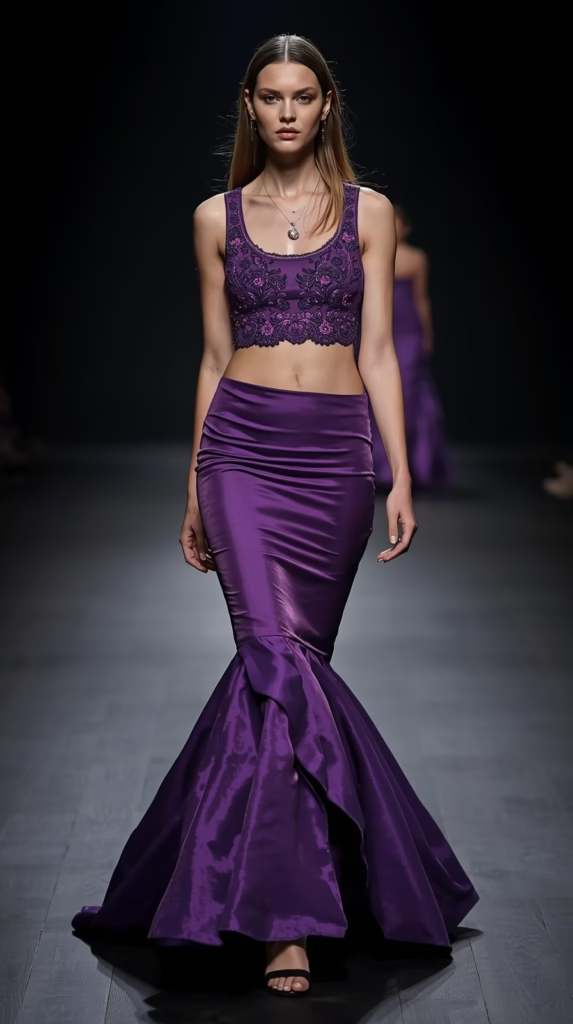
The lehenga is one of the most iconic silhouettes in Indian ethnic fashion. Whether for weddings, festivals, receptions, or fashion-forward events, lehengas continue to evolve in cut, fabric, embroidery, and styling. From regal bridal couture to minimalist contemporary drapes, the lehenga skirt is the architectural foundation of the outfit.
Several leading couture labels in India have transformed lehenga construction through architectural silhouettes and advanced pattern development. Innovative ateliers are redefining volume engineering by using structured can-cans, layered underskirts, and calibrated flare ratios to achieve dramatic yet balanced proportions. Contemporary bridal studios are experimenting with multi-dimensional textile layering—combining organza, silk, tulle, velvet, and net to create depth and movement. Luxury fashion brands are elevating surface ornamentation through intricate hand embroidery, zardozi, sequins, resham work, mirror detailing, and 3D appliqué techniques.
Modern couture practices now integrate craftsmanship with structural precision, resulting in lehengas that blend heritage artistry with contemporary construction logic.
This comprehensive guide breaks down the most popular types of lehenga skirts, their structural characteristics, body suitability, and styling strategy.
1. A-Line Lehenga
Structure:
The A-line lehenga fits snugly at the waist and gradually flares out toward the hem, forming an “A” shape. It is constructed using multiple panels (kalis) stitched together.
Why It Works:
- Universally flattering
- Adds controlled volume
- Creates a slimming illusion
Ideal For:
All body types, especially pear-shaped and curvy silhouettes.
Styling Tip:
Pair with a structured blouse and a lightweight dupatta draped over one shoulder for clean lines. Embroidered organza and silk A-line lehengas are popular in bridal trousseaus.
2. Circular (Full Flare) Lehenga
Structure:
Also known as a flared lehenga, it is cut in a full circular pattern, often using 4–8 meters of fabric. When laid flat, it forms a complete circle.
Why It Works:
- Maximum volume
- Dramatic movement
- Traditional bridal appeal
Ideal For:
Weddings, sangeet, grand occasions.
Styling Tip:
Heavy zardozi or gota patti work enhances the grandeur. Brides inspired by royal aesthetics often choose circular lehengas crafted in velvet or silk for a timeless, majestic appeal.
3. Panelled Lehenga (Kalidar Lehenga)
Structure:
Made from vertical fabric panels (kalis), which increase in width as they move downward.
Why It Works:
- Customizable flare
- Enhances vertical length
- Perfect canvas for embroidery placement
Ideal For:
Brides and bridesmaids who want detailing without overwhelming volume.
Styling Tip:
Use alternating embroidered and plain panels for contrast. This construction technique is often applied in sustainable silk and handloom fabrics to balance craftsmanship with understated elegance.
4. Mermaid (Fishtail) Lehenga
Structure:Fitted tightly from waist to knee and then flares out at the bottom.
Why It Works:
- Accentuates curves
- Creates an hourglass illusion
- Contemporary and glamorous
Ideal For:
Cocktail receptions and engagement ceremonies.
Styling Tip:
Opt for sequins or metallic embroidery. This style is frequently showcased in couture collections for red-carpet-inspired bridal looks.
5. Straight Cut Lehenga
Structure:
Falls straight from the waist without excessive flare.
Why It Works:
- Elegant and understated
- Lengthens the frame
- Comfortable to carry
Ideal For:
Minimalist brides or festive wear.
Styling Tip:
Pair with a long jacket or cape blouse for contemporary layering.
6. Sharara Cut Lehenga
Structure:
Resembles a lehenga but splits into wide-legged pants underneath, similar to a sharara.
Why It Works:
- Combines comfort and volume
- Mughal-inspired silhouette
- Great for dancing
Ideal For:
Mehendi and sangeet functions.
Styling Tip:
Short kurtis or peplum blouses complement this cut. Mughal revival designs inspired by films like Mughal-e-Azam influenced the popularity of this silhouette.
7. Lehenga with Jacket
Structure:
A lehenga paired with a long embroidered jacket instead of a traditional dupatta.
Why It Works:
- Structured and regal
- Modern Indo-western fusion
- Adds vertical dimension
Ideal For:
Winter weddings and receptions.
Styling Tip:
Velvet jackets with intricate threadwork echo the opulence often seen in celebrity bridal couture collections.
8. Layered Lehenga
Structure:
Multiple layers of fabric stacked to create depth and volume.
Why It Works:
- Adds drama without heavy embroidery
- Lightweight yet voluminous
- Perfect for pastel palettes
Ideal For:
Day weddings and destination weddings.
Styling Tip:
Use tulle or net layers for a dreamy aesthetic. Soft blush layered lehengas gained popularity after high-profile celebrity weddings set new bridal trends.
9. Half Saree Lehenga (Langa Voni)
Structure:
Traditional South Indian silhouette combining a lehenga skirt, blouse, and draped dupatta styled like a saree pallu.
Why It Works:
- Cultural heritage appeal
- Youthful and festive
- Ideal for coming-of-age ceremonies
Ideal For:
Festivals and pre-wedding rituals.
Styling Tip:
Choose Kanjeevaram silk with temple jewelry for authentic styling.
10. Trail Lehenga
Structure:
Features an extended hemline that trails behind like a gown.
Why It Works:
- Statement-making
- Bridal couture impact
- Photogenic for grand entries
Ideal For:
Reception and bridal photoshoots.
Styling Tip:
Best styled with structured corset blouses and dramatic veils.
11. Ruffled Lehenga
Structure:
Multiple cascading ruffle layers across the skirt.
Why It Works:
- Youthful and playful
- Great movement
- Contemporary aesthetic
Ideal For:
Bridesmaids and cocktail parties.
Styling Tip:
Pair with off-shoulder or corset blouses for a fusion look.
12. Printed Lehenga
Structure:
Instead of heavy embroidery, the design relies on digital, block, or hand prints.
Why It Works:
- Lightweight
- Affordable yet elegant
- Sustainable option
Ideal For:
Haldi ceremonies and festive events.
Styling Tip:
Floral printed lehengas in organza and chanderi are trending in boutique fashion.
13. Velvet Lehenga
Structure:
Defined by fabric rather than cut; usually circular or A-line.
Why It Works:
- Luxurious texture
- Rich jewel tones
- Ideal for winter weddings
Ideal For:
Evening bridal functions.
Styling Tip:
Deep maroon, emerald, and navy velvet lehengas dominate winter couture collections, reflecting a rich and regal seasonal palette.
14. Lehenga with Cape
Structure:
Replaces the dupatta with a sheer or embroidered cape attached to the blouse.
Why It Works:
- Hands-free styling
- Modern elegance
- Ideal for minimal jewelry
Ideal For:
Engagement ceremonies.
Styling Tip:
Sequined capes layered over monotone skirts create balanced glam.
15. Dhoti Style Lehenga
Structure:
Combines lehenga aesthetics with the dhoti draping at the bottom.
Why It Works:
- Fusion silhouette
- Comfortable and breathable
- Trend-forward appeal
Ideal For:
Fashion-forward brides and sangeet nights.
Styling Tip:
Metallic belts enhance waist definition.
Choosing the Right Lehenga for Your Body Type
- Petite: A-line or straight cut
- Tall: Circular or layered
- Curvy: Mermaid or panelled
- Athletic: Ruffled or sharara
Balance proportion through blouse length, sleeve design, and dupatta draping.
Fabric Trends in Modern Lehenga Skirts
- Raw silk for structure
- Organza for lightness
- Tulle for layering
- Velvet for winter luxury
- Georgette for fluid movement
Sustainable handloom fabrics are increasingly favored in contemporary bridal fashion.
Final Thoughts
Lehenga skirts are no longer limited to traditional wedding wear. They are architectural garments—combining textile craftsmanship, silhouette engineering, and cultural symbolism. Whether you prefer a regal, heritage-inspired aesthetic or a glamorous mermaid silhouette, the right lehenga should align with your personality, body type, and the occasion.
Fashion evolves, but the lehenga remains timeless—continuously reinvented yet deeply rooted in tradition
Leave a Reply