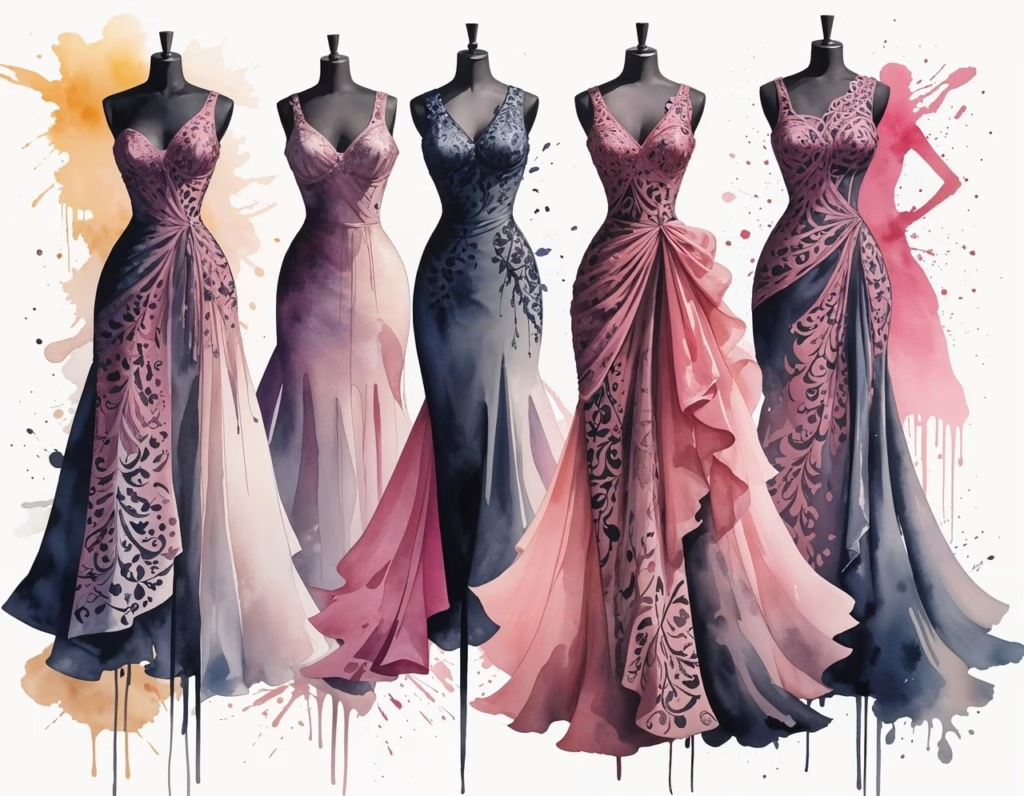
Introduction: Fashion is More Than Fabric
Fashion isn’t just about clothes—it’s about identity, history, creativity, and how we present ourselves to the world. Whether you’re wearing a basic white tee or a couture gown, your outfit tells a story. But before one can make a statement with fashion, it’s crucial to understand its fundamentals.
In this blog, we’ll cover:
- What fashion really means
- The key principles of design in fashion
- Elements that shape personal style
- Importance of culture, seasons, and color theory
- Fashion vs. trends
- Basics of fabric, silhouettes, and body types
- The role of sustainability
- How to build your own style with confidence
Let’s begin your journey into the world of fashion—where creativity meets expression.
1. What is Fashion?
Fashion is the art of clothing combined with self-expression. It’s a dynamic language through which people reflect their personality, profession, beliefs, culture, and aspirations.
Fashion is:
- Both functional and aesthetic
- Influenced by culture, history, economy, and society
- A cycle — trends return, evolve, and repeat
- A way to feel confident, powerful, and creative
Fashion is personal and universal at once.
2. The 5 Principles of Fashion Design
Every great outfit or collection is rooted in the core principles of fashion design:
1. Balance
The visual distribution of elements. Outfits must feel visually “right,” whether symmetrical (equal on both sides) or asymmetrical (uneven but still balanced).
2. Proportion
How sizes and elements relate. A crop top with high-waisted trousers, or an oversized blazer with skinny jeans — these create pleasing proportions.
3. Emphasis
Every outfit has a focal point — it could be bold sleeves, a patterned skirt, or a dramatic neckline.
4. Rhythm
Repeated patterns, textures, or colors create movement and interest in clothing. Stripes, checks, pleats — all provide rhythm.
5. Harmony
The overall sense is that all parts of an outfit or collection work together seamlessly.
3. Elements of Fashion
Fashion is built upon several core elements that designers and stylists use to create looks:
1. Silhouette
The basic outline of the garment — A-line, mermaid, empire waist, peplum, etc. The silhouette determines how a garment fits and flatters.
2. Color
Color conveys mood, season, and occasion. Understanding the color wheel helps in pairing shades effectively.
3. Fabric & Texture
Silk flows, denim stiffens, velvet enriches. Each fabric brings personality. Texture creates depth and dimension.
4. Pattern
Stripes, florals, polka dots, checks — patterns play a huge role in creating visual interest.
5. Details
Buttons, embroidery, zippers, lace, pleats, and trims are small but powerful.
4. Understanding Personal Style
Fashion becomes truly powerful when it aligns with who you are. Understanding your personal style helps you dress with intention and comfort.
Common Style Types:
- Classic – structured silhouettes, neutral colors, timeless elegance
- Boho – flowy fabrics, earthy tones, eclectic layers
- Minimalist – clean lines, solid colors, functional elegance
- Edgy – leather, studs, bold cuts, dark tones
- Chic – stylish, current, and polished
- Sporty – athleisure, sneakers, comfort-driven
Explore your closet — what do you wear most? What feels best? That’s your style.
5. Cultural Influence in Fashion
Fashion is deeply influenced by culture, heritage, and geography.
Examples:
- Indian saris, Japanese kimonos, African Ankara prints, French couture
- Royal influences are seen in heavy embroidery, brocade, and velvet
- Tribal patterns and motifs used in modern streetwear
In the global world of fashion, fusion is common — traditional elements are paired with modern cuts to create something fresh yet rooted.
6. Weather & Fashion
Seasons change—and so should your wardrobe. Understanding seasonal fashion helps you stay stylish and comfortable year-round.
Winter:
- Fabrics: Wool, velvet, corduroy
- Colors: Deep tones like burgundy, navy, forest green
- Style: Layering is key – coats, scarves, boots
Spring:
- Fabrics: Cotton, linen, lightweight blends
- Colors: Pastels, florals, fresh tones
- Style: Dresses, flowy tops, light jackets
Summer:
- Fabrics: Linen, cotton, georgette
- Colors: White, yellow, coral, aqua
- Style: Shorts, sundresses, breezy kurtas
Autumn:
- Fabrics: Suede, denim, lightweight wool
- Colors: Brown, rust, mustard
- Style: Jackets, boots, earthy tones
7. Color Theory in Fashion
Color is emotion, identity, and communication.
- Primary Colors: Red, Blue, Yellow
- Secondary Colors: Orange, Green, Purple
- Neutrals: Black, White, Grey, Beige
Use the Color Wheel:
- Analogous colors (next to each other): Calm, cohesive outfits
- Complementary colors (opposites): High contrast, bold looks
- Monochrome: Shades of one color — minimal and sharp
Dress According to Skin Tone:
- Warm undertones: Earthy colors, peach, golden yellow, olive
- Cool undertones: Blue, grey, purple, silver
- Neutral: Most colors work; focus on brightness & contrast
8. Body Types & Dressing Smart
Fashion is for all bodies—but understanding your body shape helps highlight your best features.
Pear Shape
- Hips wider than shoulders
- Wear: A-line skirts, wide-neck tops, belts at the waist
Apple Shape
- Heavier midsection
- Wear: Empire waists, V-necks, flowy dresses
Hourglass Shape
- Balanced shoulders & hips with narrow waist
- Wear: Wrap dresses, pencil skirts, fitted clothes
Rectangle Shape
- Straight silhouette
- Wear: Ruffles, peplum tops, belts for curves
Rule: Dress for how you want to feel, not to hide.
9. Fashion vs. Trend
Many confuse fashion with trend — but they’re different.
Fashion is timeless and personal.
Trends are temporary and driven by pop culture.
Example:
- Wearing jeans = fashion
- Wearing low-rise ripped jeans = trend
You don’t have to follow every trend. Choose what fits you and what lasts.
10. Sustainability in Fashion
Fast fashion harms the environment through waste, water pollution, and unfair labor. Embrace sustainable fashion:
How:
- Shop local, handmade, or thrift
- Choose natural, organic fabrics
- Reuse, upcycle, and donate
- Avoid overbuying; create a capsule wardrobe
Looking good should never harm the planet.
11. Essentials of a Timeless Wardrobe
Regardless of style, there are a few basics every wardrobe benefits from:
Must-Haves:
- A well-fitted white shirt
- Comfortable denim
- Little black dress
- Black/neutral trousers
- Blazer
- Basic sneakers & heels
- Cotton kurta or ethnic wear
- Statement scarf or jewelry
These form the foundation — add layers of your style.
12. Accessories: The Final Touch
Accessories complete a look and add personality.
Examples:
- Earrings: Studs for day, danglers for night
- Scarves: Add color or print
- Belts: Define the waist
- Bags: Choose size/style based on occasion
- Shoes: Always clean, season-appropriate
Don’t overcrowd. Sometimes less is more.
13. Fashion and Confidence
Ultimately, fashion isn’t about impressing others. It’s about feeling good in your own skin.
- If you love it — wear it.
- If it makes you feel bold, keep it.
- If it doesn’t spark joy — donate it.
When you dress with confidence, you set trends instead of following them.
Conclusion: Fashion Is a Journey, Not a Destination
Fashion is freedom. It’s a combination of knowledge and experimentation. Once you learn the basics — color, fabric, fit, silhouette — you have the power to express who you are with what you wear.
Don’t be afraid to explore, make mistakes, and reinvent yourself through fashion. Your style will evolve just like you do — and that’s the beauty of it.
Final Tip:
“Wear confidence like your favorite outfit. That’s always in fashion.”
Leave a Reply